Lightweight, Sustainable, Efficient: Microcell Technology Enables 20% Material Savings In Plastics Packaging
Plastics are indispensable in the packaging industry: They reliably protect products, often have a lower carbon footprint than alternative materials, and can be processed efficiently. At the same time, pressure is mounting on manufacturers to conserve resources and further reduce raw material use—without compromising stability, functionality, or recyclability. With the introduction of the EU PPWR, only packaging that is fully recyclable may be placed on the market starting in 2030; in addition, there are ambitious targets for the use of recycled materials. Promix Solutions AG offers an economically and ecologically compelling solution to meet these challenges: Microcell technology. It typically reduces packaging weight by around 20%, fully preserves mechanical properties, and enables true recyclability.
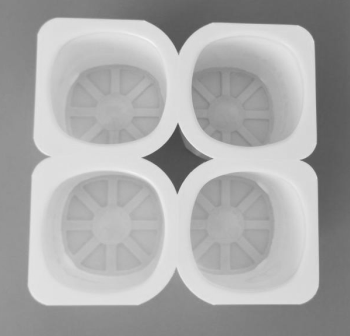
Yoghurt cup produced with Microcell use 20-25% less plastics.
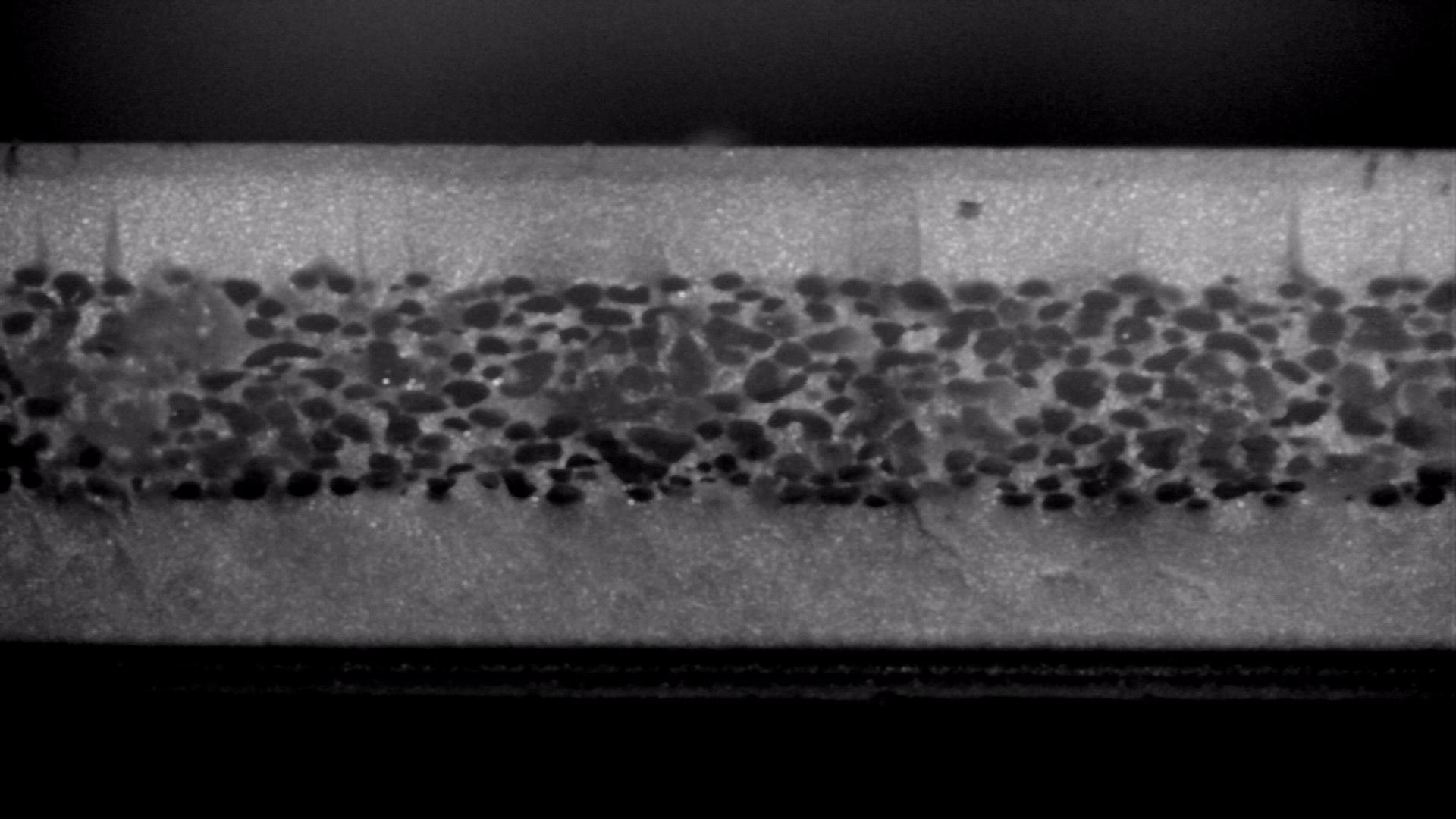
Microcell structure in the core layer of an FFS sheet (Pictures: Promix Solutions AG)
Lighter Packaging – Same Performance – Tangible Cost Savings
Microcell technology incorporates environmentally neutral gases such as CO₂ or N₂ into the plastics. This creates a fine-pored, microcellular foam structure. Cell size and cell distribution are crucial: a very fine and homogeneous structure ensures that cups or trays achieve the same stability as conventionally manufactured packaging even after thermoforming—despite significantly reduced density.