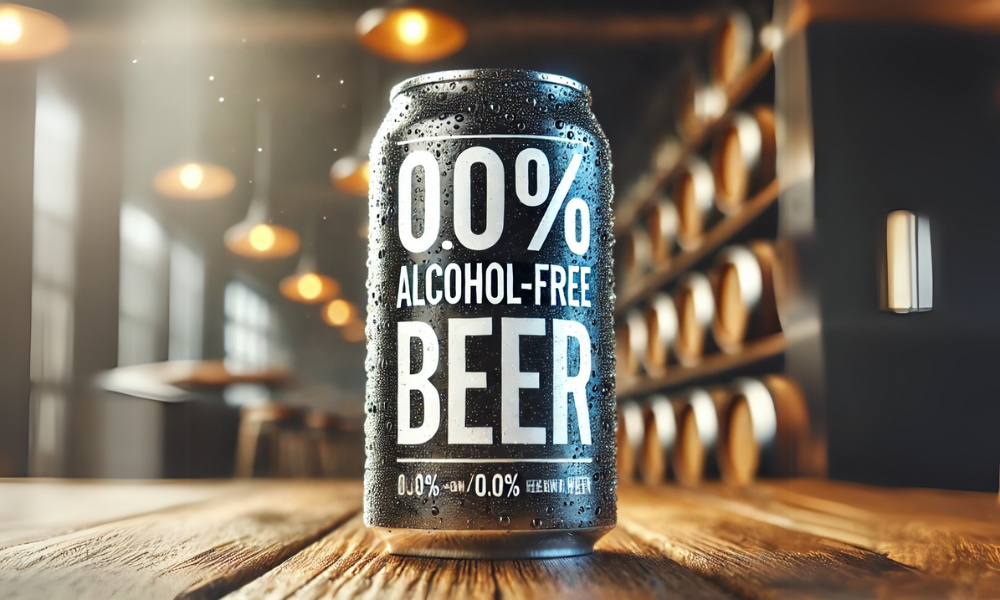
Healthy, Refreshing, Non‑Alcoholic: The Beer Market Is Changing

The global beer market is undergoing a structural transformation. While traditional beer consumption has been declining in many mature markets, particularly in Central Europe, non‑alcoholic beer is emerging as a strong and resilient growth segment. Changing consumer expectations, increased health awareness and evolving lifestyles are reshaping demand and opening new opportunities for breweries worldwide.
Non‑alcoholic beer is not a new invention. Its roots date back more than a century, with early developments during the Prohibition era in the United States. However, it was only with technological progress in the second half of the 20th century that alcohol‑free beers began to approach the sensory quality of conventional beer. Since the early 2000s, and especially in recent years, improvements in dealcoholizing methods and brewing processes have significantly enhanced taste, stability and product variety.
Consumer drivers behind this trend are clear. Health‑conscious lifestyles, responsible consumption and a growing interest in functional beverages are influencing purchasing decisions across generations. Younger consumers in particular are more open to alcohol‑free alternatives, including beer‑based mixed drinks and premium non‑alcoholic variants. At the same time, established beer drinkers are increasingly choosing alcohol‑free options for everyday consumption, sports activities or social occasions where alcohol is less desirable.
From a global perspective, Europe remains the leading region for non‑alcoholic beer production, followed by Asia. Growth potential is also evident in markets such as the Middle East, where 0.0% and halal‑certified products play an important role, as well as in parts of Latin America and Oceania. These developments underline the importance of flexible production concepts that allow breweries to respond quickly to regional market requirements.
Technological innovation is a key enabler of this shift. Modern brewing solutions make it possible to produce non‑alcoholic beer efficiently while maintaining high sensory quality. Advanced yeast concepts, gentle fermentation processes and energy‑efficient system designs support both economic and sustainability goals. For breweries, non‑alcoholic beer has therefore evolved from a niche product into a strategic portfolio component with long‑term relevance.
Overall, the rise of non‑alcoholic beer reflects a broader change within the beverage industry: success increasingly depends on the ability to combine quality, health considerations and innovation. Breweries that adapt their technologies and processes accordingly are well positioned to benefit from this ongoing transformation.