From Power to Performance: Energising Thai Manufacturing จากพลังงานสู่สมรรถนะ: เติมพลังใหม่ให้อุตสาหกรรมการผลิตไทย
Thailand has set itself on a path to become a global food export hub. The F&B sector is a major contributor to the nation’s economy and international demand for Thai products continues to grow.
Unfortunately, frequent brownouts and rising energy costs pose a significant challenge to Thailand’s manufacturing industry, diminishing efficiency and production capabilities, consequently threatening supply chain stability and export reliability.
Energy costs further compound the challenge. Thailand records some of the highest industrial electricity price hikes in the region, averaging 2% annually and reaching USD 0.13/kWh in 2023. Alongside this, government regulations are tightening, mandating greater energy efficiency from manufacturers.
As outlined in the upcoming National Energy Plan, the country is targeting a 30% reduction in energy consumption by 2030 and up to 40% by 2050. This makes industrial energy-saving measures especially urgent, as the sector is Thailand’s single largest electricity consumer, accounting for about 42% of national demand.
Against this backdrop, it becomes a strategic imperative for the F&B sector to adopt advanced separation technologies that not only safeguard production continuity but also advance sustainable practices. By doing so, Thai manufacturers can meet stringent international standards and evolving consumer demands while strengthening the nation’s resilience, competitiveness and position as a global F&B manufacturing hub.

Brownouts Jeopardise Growth
These energy challenges have tangible effects on manufacturing performance. Constant power fluctuations and brownouts disrupt production schedules, reducing output and threatening global supply chains. Every stage of the value chain, from raw material procurement to the timely delivery of finished goods, is affected by these interruptions.
The consequences extend beyond delays. Manufacturers are often forced to pause operations and perform time-consuming cleaning cycles to maintain process integrity and safeguard product quality. Power instability slows operations, increases waste and drives up costs that undermine the sustainability efforts prized by global trade partners.
Compounding the problem, many F&B manufacturers still rely on outdated separation systems. These systems consume excessive energy and water, raising operational costs and heightening the risk of downtime during brownouts. These inefficiencies limit productivity and scalability, threatening the ability to meet growing export demands.
The Importance of Best-In-Class Separation Technologies
To strengthen resilience against energy volatility and operational disruptions, Thai manufacturers must prioritise the adoption of advanced separation technologies. Decanters, centrifuges, and integrated filtration systems are no longer optional; they enable energy-efficient, stable operations while reducing downtime and waste.
Beyond simply upgrading equipment, manufacturers should integrate these systems into a broader digital and process optimisation strategy, ensuring that production lines can adapt quickly to fluctuations, maintain quality standards and meet growing domestic and export demand.
Advanced separation technologies also play a crucial role in maintaining operational continuity under energy volatility. By integrating short-term backup power and smart process controls, they minimise downtime during power fluctuations, ensure a smooth flow of products and simplify cleaning and restart procedures.
At the same time, they optimise the recovery of valuable by-products, helping manufacturers reduce waste and maintain efficiency. Together, these capabilities enable Thai manufacturers to maximise output and safeguard production quality even under challenging conditions.
Smarter Strategies for Maximum Output
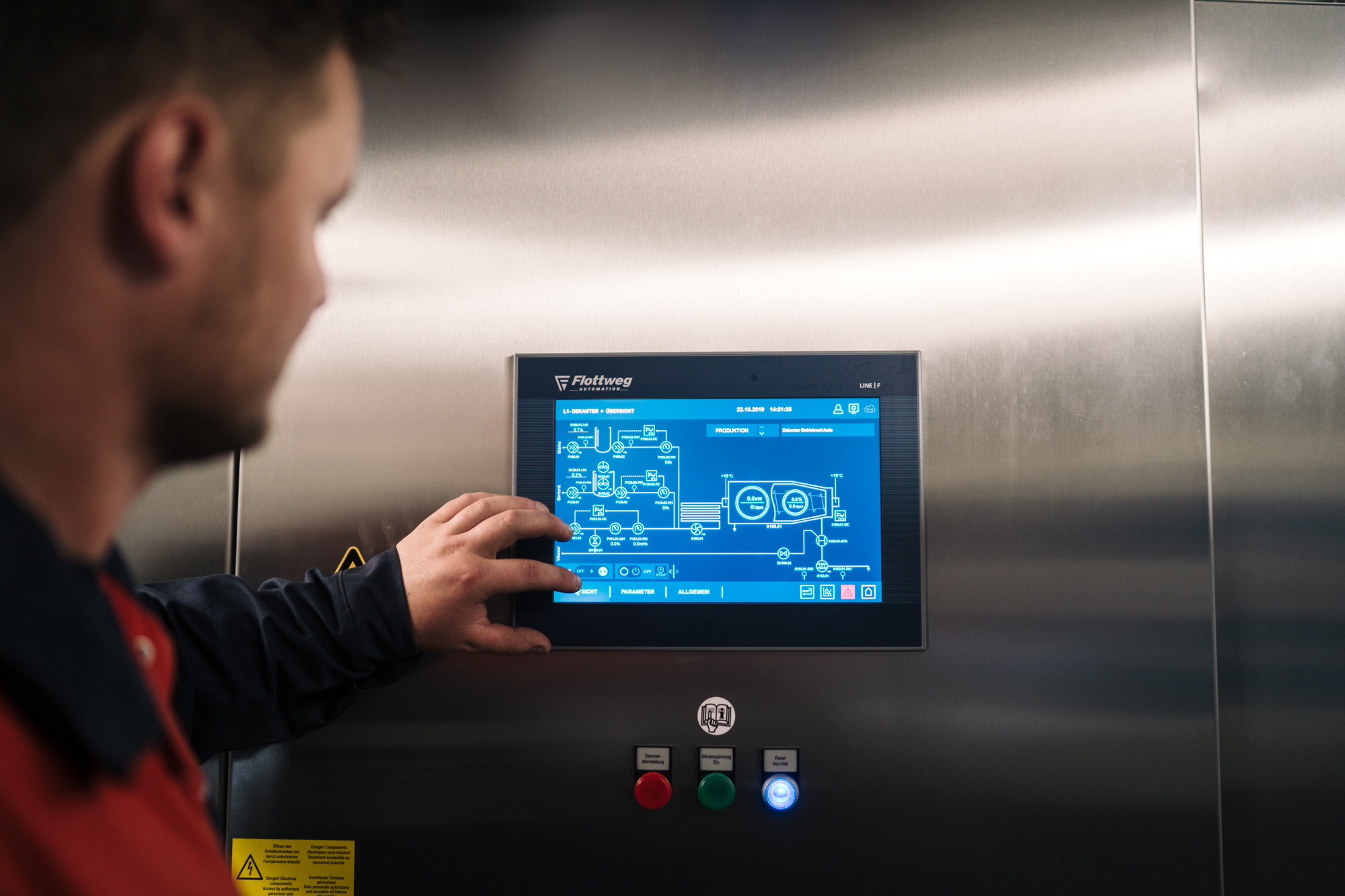
Best-in-class separation technologies help Thai manufacturers navigate energy challenges by integrating intelligent sensors, automated controls and real-time monitoring to maintain stable operations even during brownouts and power failures. These technologies empower manufacturers to remain agile in fluctuating conditions and mitigate downtime.
Simultaneously, smart separation technologies drive energy efficiency, lowering power consumption altogether. This means that unstable electricity will have less of an impact on manufacturing operations. Smart systems also help with optimising resources and improving the recovery of valuable by-products while minimising material and water waste.
The combination of automation, monitoring and adaptive control of smart separation technologies provides Thai manufacturers with the tools to maintain productivity, protect their margins and meet local and international demand with efficiency.
Smart Separation for Better Manufacturing
With advanced separation technologies backed by strong engineering, energy-efficient solutions such as decanters, centrifuges and separators are designed to enable smart manufacturing. With the right partners, Thai manufacturers can be assured of the support of advanced technologies to help them build smarter, more resilient operations that will safeguard productivity and boost competitiveness.
Faced with a future of continued energy instabilities and brownouts, Thailand’s manufacturing industry needs to arm against inevitable supply chain disruptions and inefficiencies. With support from partners that offer robust, integrated technological solutions, Thai manufacturers and plant directors can safeguard their operations and maximise output as they adopt power-smart strategies.
They can then lead the charge in Thailand’s economic growth, shaping a more innovative and tech-driven sector that positions the country as the gold standard for smart food production.